

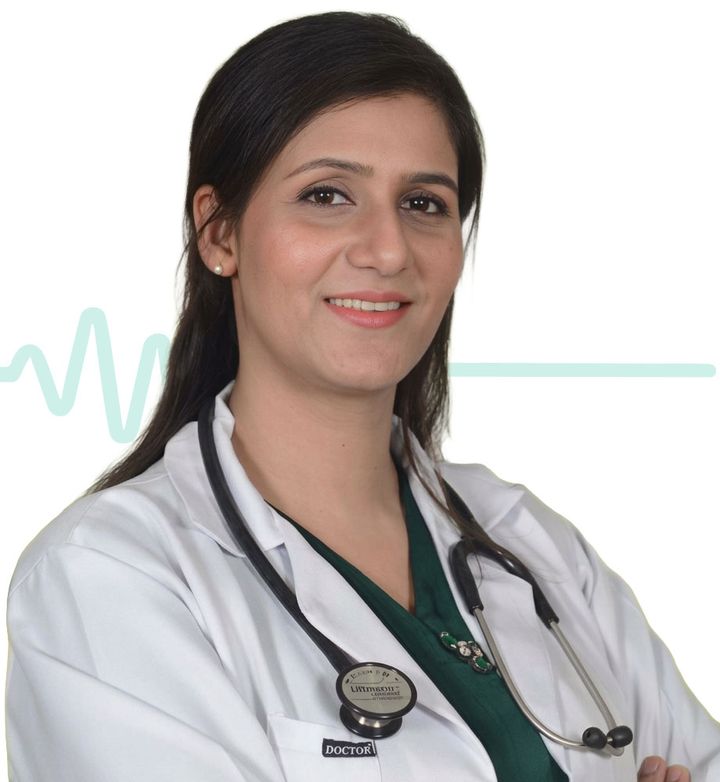
Dr Anum Uzair
MBBS, MRCGP, MCPS
Offers
Dermatology (special interest)Cryotherapy
Languages: English, Urdu, Punjabi
 Medicare Bulk Billing Practice. 100% bulk billed GP consults for every patient with a valid Medicare card.See how it works
All GP consults are bulk billed for patients with a valid Medicare card. Some procedures and allied health services may incur a private fee.
All Services Book an Appointment
Everyday Care
Family Health
Procedures and Tests
Ongoing and Preventive
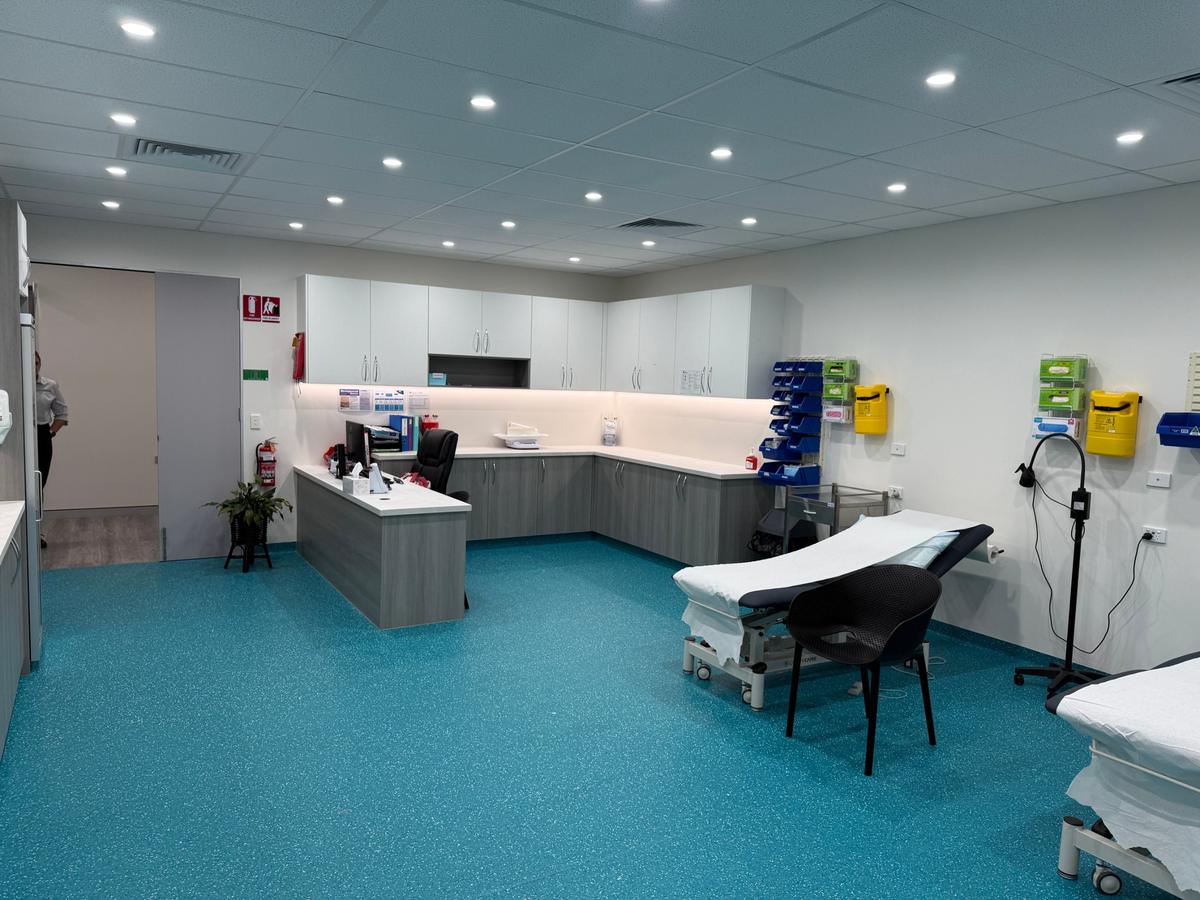
Book an AppointmentSkin cancer checks, biopsies, excisions, cryotherapy, skin tag removal and treatment of skin cancers, in our treatment room on Albion Street. The skin check consult is bulk billed for eligible patients with a valid Medicare card.
Check your skin regularly and get to know your spots. See your GP about any spot that is new, changing or different.
A spot where one half does not match the other half in shape or colour.
What to look for
Things to know
Edges that are irregular, notched, smudged or poorly defined.
What to look for
A spot with several shades of brown, black, blue, red or white, or with uneven colour.
What to look for
Spots that are larger than about 6 mm, or growing. Some melanomas are smaller, so size alone is not reassuring.
What to look for
Any change in size, shape, colour or height, or a spot that bleeds, itches or will not heal. Change is the most important sign.
What to do
Choose a procedure to see what is involved. All procedures start with a GP consult.
Bulk billed GP consult
Your GP examines your skin, often with a dermatoscope, a handheld magnifying light, to look closely at spots of concern.
What it involves
Things to know
Billing: GP consultations are bulk billed for eligible patients with a valid Medicare card.
A small sample for testing
A small piece of skin, or the whole spot, is removed under local anaesthetic and sent to pathology to find out what it is.
What it involves
Things to know
Billing: Procedures attract a fee. Reception will confirm the cost before your appointment.
Minor skin surgery
The whole spot is cut out with a margin of normal skin and the wound is closed with stitches. The tissue is sent to pathology.
What it involves
Things to know
Billing: Procedures attract a fee. Reception will confirm the cost before your appointment.
Quick, no stitches
Liquid nitrogen is applied to freeze certain skin lesions, such as sunspots and some warts. The area blisters and heals over one to three weeks.
What it involves
Things to know
Billing: Procedures attract a fee. Reception will confirm the cost before your appointment.
Quick in-clinic treatment
Skin tags can be removed by snipping, freezing or a simple excision, depending on their size and location.
What it involves
Things to know
Billing: A fee applies. Reception will confirm the cost before your appointment.
Diagnosis, treatment and referral
Many basal cell and squamous cell skin cancers can be treated in the clinic by excision, and some with creams or freezing. Melanoma and complex cancers are referred to a specialist promptly.
What it involves
Things to know
Billing: The consult is bulk billed for eligible patients. Procedures attract a fee.
Ready when you are
Book online with HotDoc in under a minute, any time, or call reception on (07) 4527 1070, Monday to Friday, 9:00 AM to 5:00 PM.
Queensland has high UV levels for much of the year. Move the slider to see when sun protection is needed.
Australia has one of the highest rates of skin cancer in the world. Regular self-checks and skin checks with your GP help find changes early.
A simple visit, explained.
Before your visit, check your skin in a mirror and note any spots that are new, changing or itchy. Photos with dates help your GP see changes.
Book online or call, and tell reception it is a skin check so the right appointment length is allowed.
Your GP asks about sun exposure, previous skin cancers and any spots you have noticed.
Your GP checks your skin, often with a dermatoscope. You can keep underwear on, and ask for a chaperone if you would like one.
If a spot needs a closer look, your GP explains the options, such as monitoring, a biopsy or removal.
More detail on common questions. Open a topic to read more.
The most common skin cancer. BCCs often look like a pearly lump or a scaly, red patch that does not heal, and grow slowly. Many can be treated in the clinic.
SCCs often appear as a thickened, scaly or tender spot that grows over weeks to months. They should be checked and treated promptly.
A less common but more serious skin cancer that can appear as a new spot or a change in an existing mole. Early detection matters, so see your GP about any changing spot.
Rough, scaly patches on sun-exposed skin. They are a sign of sun damage and can sometimes change over time, so your GP may suggest freezing or a cream.
Keep the dressing clean and dry as advised, avoid heavy exercise for a few days, and watch for redness, swelling or discharge. Your GP will discuss the pathology result at your follow-up.
Check your whole skin every few months in good light, using a mirror or a partner for hard to see areas. Photos with dates help track changes.
Book an appointment if any of these apply to you.
Book your appointment
Choose your GP and a time that suits on HotDoc, or call reception and we will help you find the right appointment.
Book onlineOr call (07) 4527 1070In an emergency, call 000.
Choose a GP to see what they offer, then book directly. You can see any of our GPs for a general consult.
MBBS, MRCGP, MCPS
Offers
Languages: English, Urdu, Punjabi
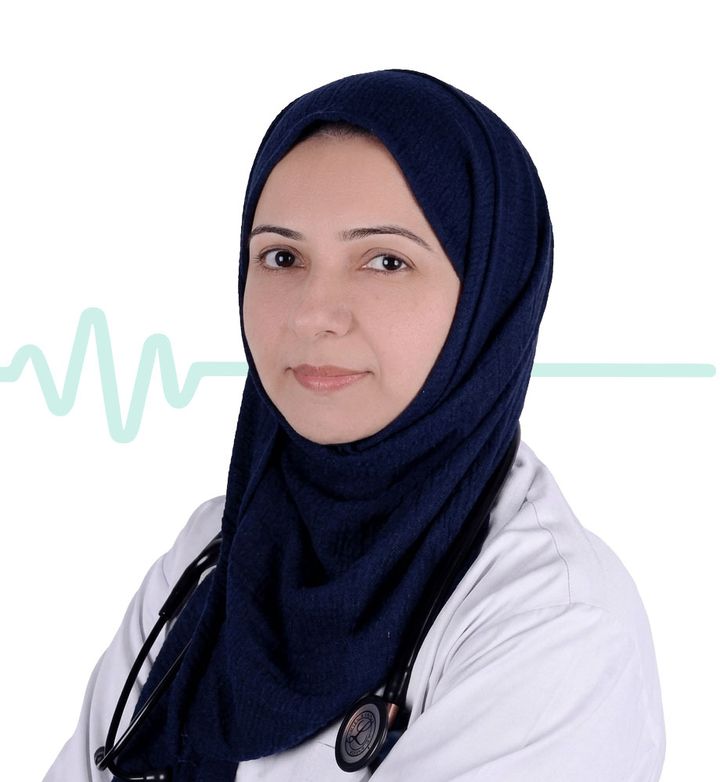
MBBS, MRGP (Int’l South Asia), MRCP (UK Part I and II)
Offers
Languages: English, Urdu
Skin check consultations are bulk billed for eligible patients with a valid Medicare card. Biopsies, excisions, cryotherapy and skin tag removal are procedures that attract a fee, and reception will confirm the cost before your appointment.
It depends on your risk, including your skin type, sun exposure, number of moles and personal or family history of skin cancer. Your GP will recommend a schedule for you.
The skin check consult is bulk billed for eligible patients with a valid Medicare card. Procedures such as biopsies, excisions and cryotherapy attract a fee.
Local anaesthetic is used to numb the area, so you may feel a brief sting from the injection and then pressure rather than pain.
Usually 5 to 14 days, depending on where they are. Your GP will tell you when to come back.
Yes. Your GP will check the growth first. Removal for cosmetic reasons is not covered by Medicare, so a fee applies.
Your GP will refer you promptly to a dermatologist or surgeon if a spot needs specialist care, such as some melanomas.
This page provides general information only and does not replace advice from your GP. In an emergency, call 000.
Book online in a minute, or call reception on (07) 4527 1070. GP consults are bulk billed for eligible patients with a valid Medicare card.
Back to the homepageBook a bulk billed GP